

Why Your Child’s Behavior Gets Worse During Summer (And What They’re Really Trying to Tell You)
Have you ever found yourself thinking: “My child was doing so well during the school year. What happened?”
Maybe your child is:
Arguing more
Whining more
Melting down over small things
Fighting with siblings
Refusing simple requests
Complaining that they’re bored all day
And maybe you’ve wondered if they’re just pushing boundaries. Before you assume your child is being difficult, let me offer another perspective. What if your child’s behavior is actually communication?
As a child therapist, one of the most important things I teach parents is this: Behavior is rarely the problem. Behavior is information.
When we focus only on stopping behavior, we often miss the message underneath it.
Looking Beyond the Behavior
Imagine your child slams a door after being told screen time is over.
Most parents see:
Disrespect
Defiance
Attitude
But underneath that behavior might be:
Disappointment
Frustration
Difficulty with transitions
Feeling powerless
Lack of coping skills
The behavior isn’t the whole story. It’s often the symptom. When parents learn to look beneath behavior, everything changes.
Instead of asking:
“How do I stop this?”
They begin asking:
“What is my child trying to tell me?”
Why Summer Makes Behavior Harder
During the school year, children benefit from structure, predictability, routines, and built-in opportunities for movement, learning, and social interaction. Summer removes many of those supports.
Suddenly children are expected to:
Entertain themselves
Handle boredom
Spend more time with siblings
Navigate changing schedules
Manage more unstructured time
Those demands require skills. And if a child doesn’t yet have those skills, challenging behavior often follows. It’s not because they’re bad. It’s because they’re overwhelmed.
Common Behaviors and the Hidden WHY
One of my favorite activities in Fight-Free Summer helps parents become “behavior detectives.”
Instead of reacting to behavior, parents learn to investigate it.
Here’s an example: Behavior: Constant Whining
Possible WHYs:
Child wants connection
Child feels bored
Child doesn’t know what to do next
Child is tired or overstimulated
Here’s another example: Behavior: Fighting With Siblings
Possible WHYs:
Competition for attention
Difficulty sharing
Poor problem-solving skills
Lack of communication skills
Here’s an example: Behavior: Melting Down Over Small Things
Possible WHYs:
Emotional overload
Hunger
Fatigue
Too many demands
Feeling out of control
When parents understand the WHY, they can respond much more effectively.
The Question That Changes Everything
The next time your child does something challenging, pause and ask yourself: “What skill might my child be missing right now?”
Because often the issue isn’t motivation. It’s skills.
Maybe they need help with:
Managing frustration
Waiting
Problem-solving
Communicating feelings
Coping with disappointment
Handling boredom
Children aren’t born knowing how to do these things. They learn through practice and coaching.
A Sneak Peek Inside Fight-Free Summer Program
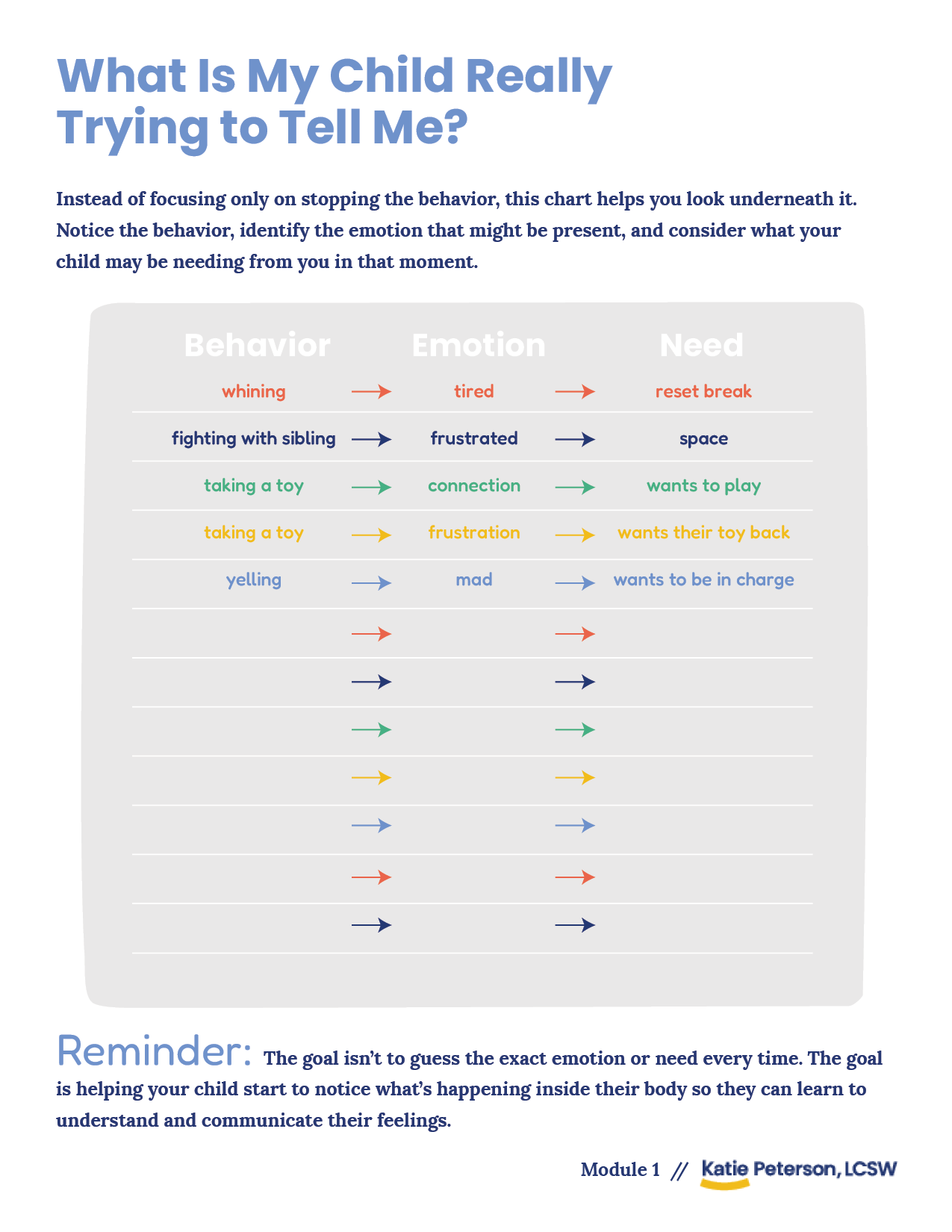
One of the worksheets included in Module 1 is my Behavior Detective activity.
My Favorite Family Finds
TINCAN Phones for Kids
A screen-free way for kids to build communication skills and independence. Communication Without Screens!
Screen-Free Favorites
Easy activities and products that encourage creativity, play, and connection.
Summer Survival Must-Haves
Simple tools helping our family navigate summer routines, boredom, travel, and big emotions.
ShopMy Favorites
All my favorite mom finds, parenting tools, home favorites, and everyday essentials.
My Amazon Storefront
Browse my favorite parenting, organization, sensory, travel, and kid-friendly finds.
Affiliate Disclaimer: This email may contain affiliate links. If you purchase through these links, I may earn a small commission at no extra cost to you. Thank you for supporting my work and allowing me to continue creating resources for families.
