

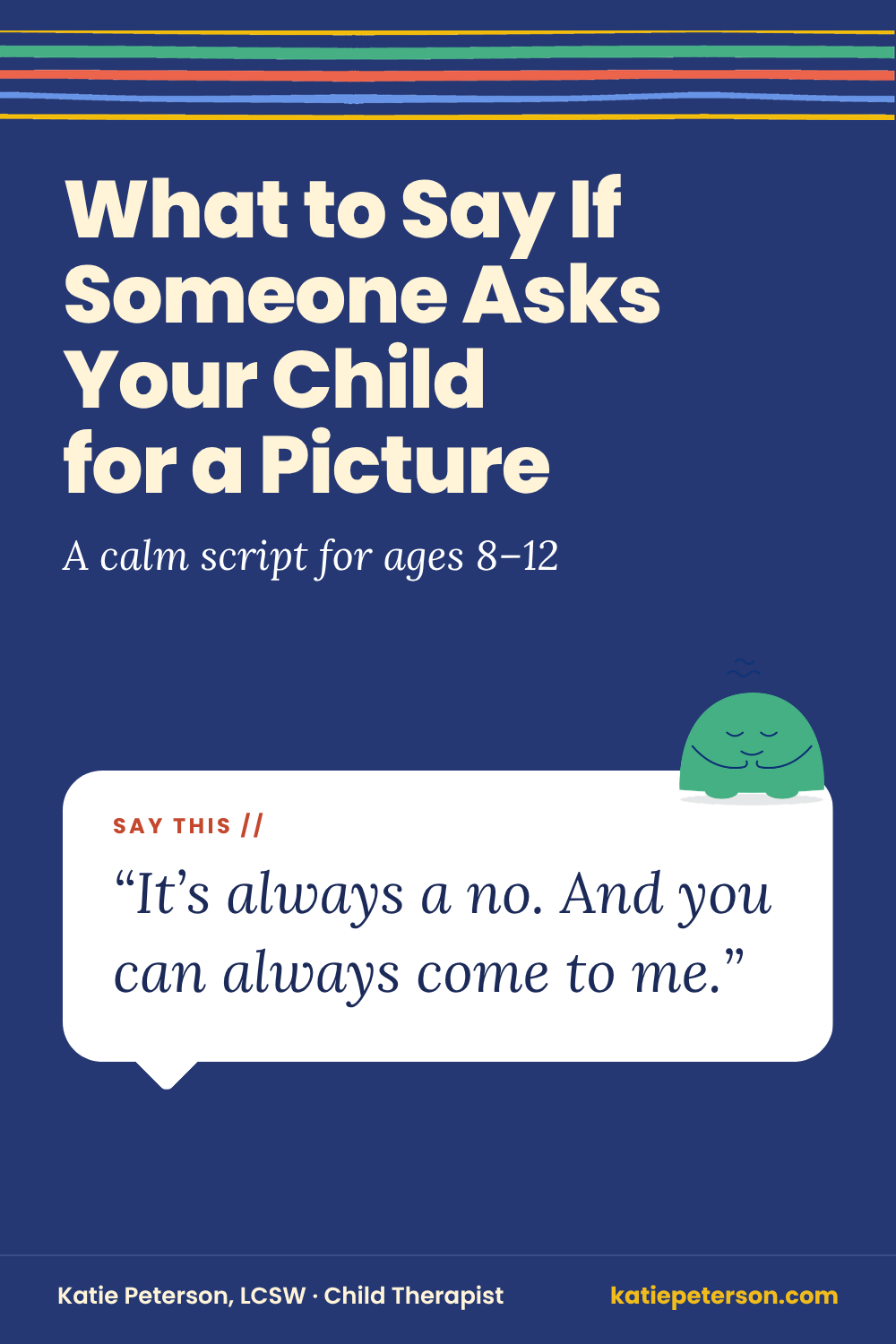
What to Say If Someone Asks Your Child for a Picture
A calm, word-for-word script from a child therapist for talking with kids 8–12 about photo requests, tricky people online, and what to do if it happens.
Giving Your Child a Phone for the Holidays?
A phone under the tree? A child therapist's checklist for the weeks before: set your rules, set up the phone, and have these five talks before they unwrap it.
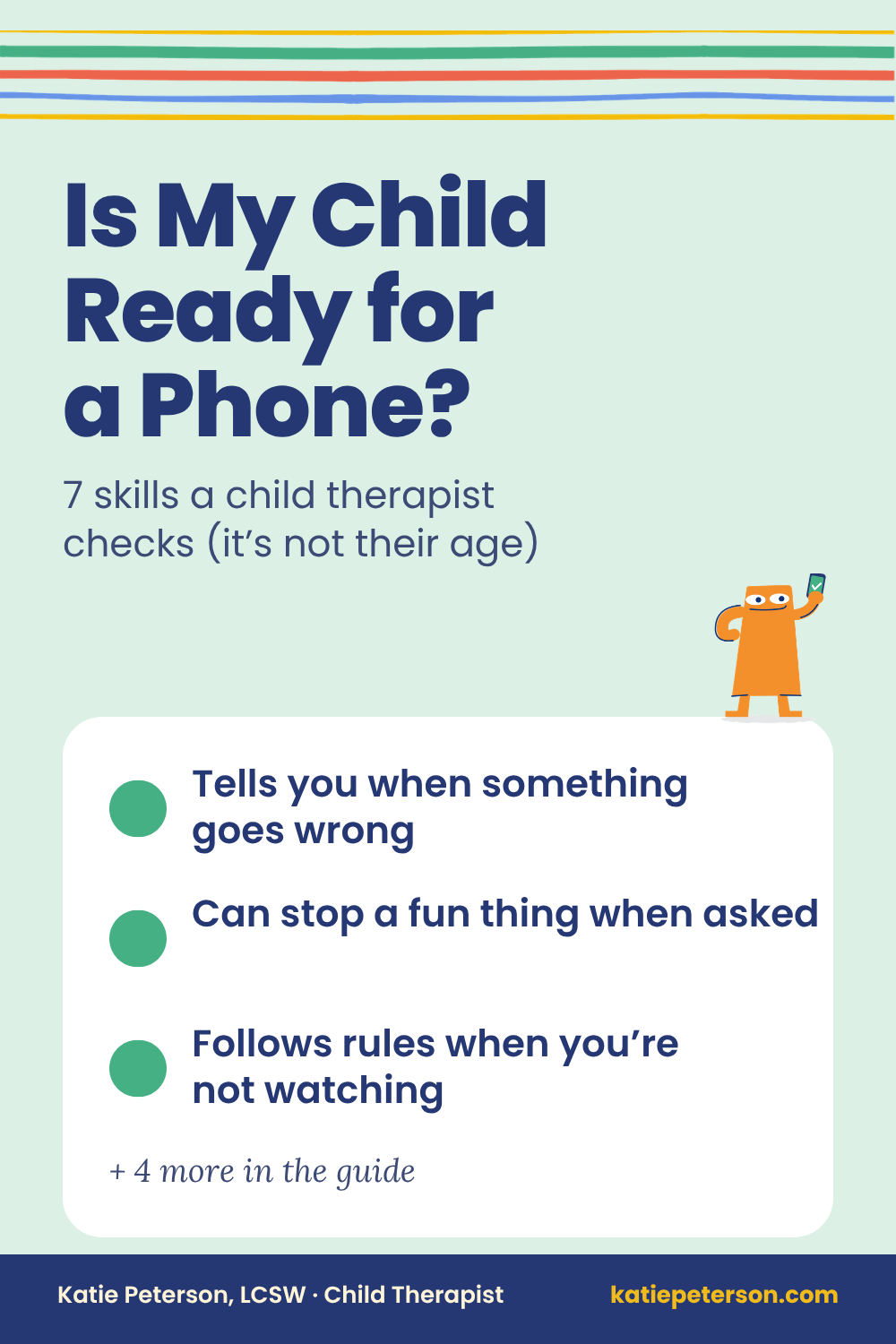
Is My Child Ready for a Phone? A Child Therapist's 7-Skill Check
Age is a floor, not a test. Here are the 7 skills a child therapist looks for before a first phone, and how to say "not yet" without the daily fight.
Kid-Friendly Affirmations That Actually Feel True
Affirmations only work if a kid actually believes them — here's how to help your child write ones that feel true to them, not generic phrases copied off Pinterest. Includes ideas for cut-out cards they can carry with them.
Teach Your Kid to Fact-Check Their Own Negative Thoughts (Find the Evidence)
"I'm never going to be good at this" isn't a fact — it's a thought, and kids can learn to investigate it like a detective: what's the evidence it's true, what's the evidence it's not. A simple, kid-friendly self-talk technique that works for ages 5 and up, from a licensed child therapist.
Why “You’re So Smart” Doesn’t Build Self-Esteem
Generic praise feels good to say, but it doesn't always stick — and it can actually make kids more afraid to fail. Here's what to say instead, and the one activity that helps kids name their own real strengths (not the ones you hand them).
7 Signs Your Child Has Low Self-Esteem (and What Actually Helps)
Brushing off compliments, comparing themselves to friends, saying "I'm not good at anything" — these are more common than parents realize, and more fixable than it feels like in the moment. A child therapist breaks down what low self-esteem actually looks like day-to-day in kids ages 5–12, and the first real steps that help.

Sibling Rivalry Scripts: What to SayWhen Your Kids Won't Stop Fighting
A child therapist’s exact scripts for the most common sibling fights-what to say instead of “just share” or “stop it”, and why each one works.

Why 3:15pm Is the Hardest Part of Your Day (And What Your Kid Actually Needs)
The real reason kids melt down right after school instead of during it, the 15-minute decompression window that helps, and why the meltdown means you're doing something right.

The Real Reason Drop-Off Ends in Tears (and the Script That Actually Helps)
Why lingering at drop-off makes separation anxiety worse, what's really happening during "new schedule" transitions, and the exact five-step goodbye script that ends tears faster.
30 Days, 30 Scripts: Everything We Covered This Month
A round-up of this month's meltdown, back-to-school, boundary, and after-school scripts — bookmark this one page for all four.

"Because I Said So" Doesn't Work. Here's What Does.
Why power struggles escalate faster with "because I said so," what your kid's "defiance" is actually testing for, and the boundary script that holds firm without a fight.
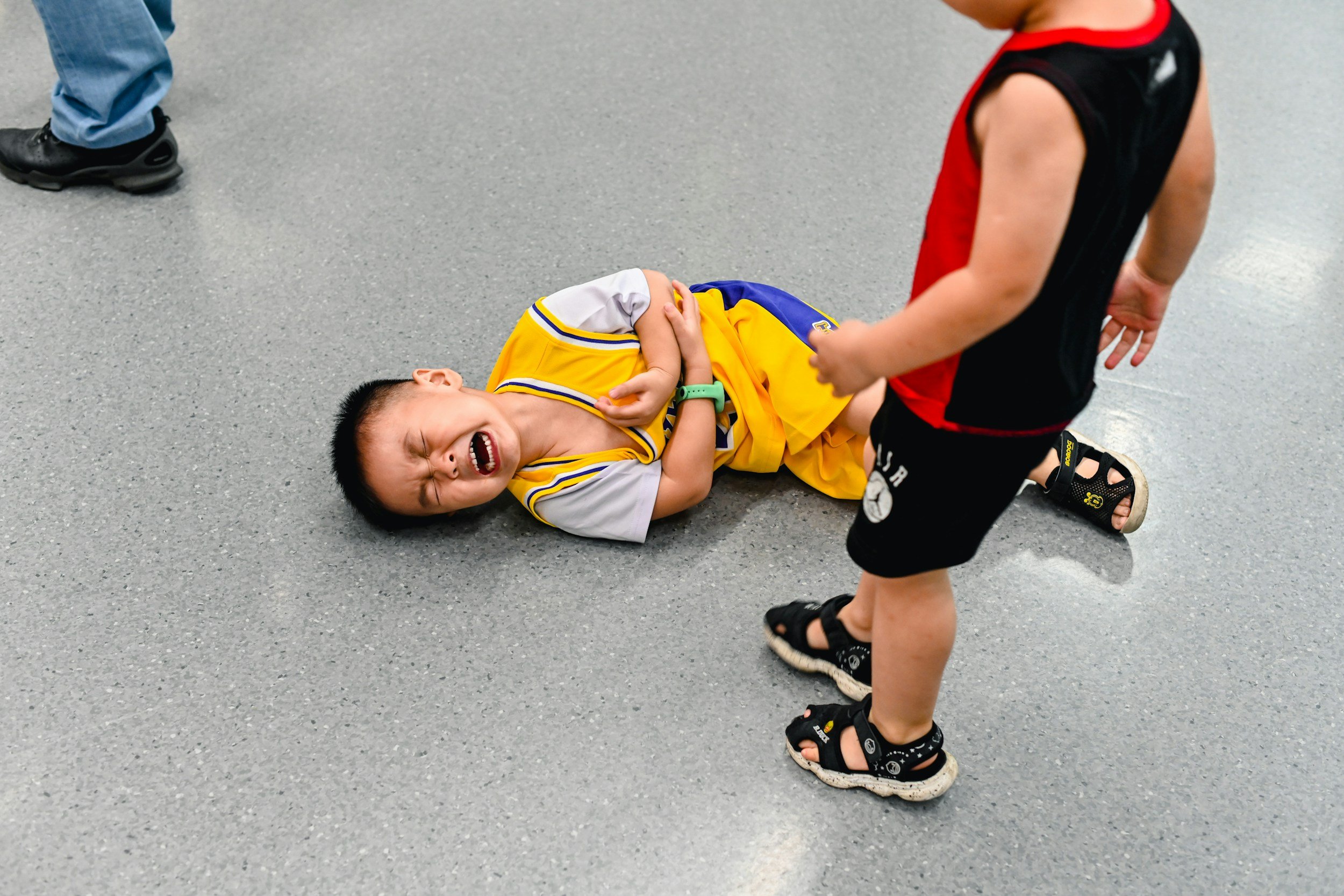
Why Your Kid's Meltdowns Have Nothing to Do With You (And What to Say Instead)
A child therapist breaks down what's actually happening in your kid's brain during a meltdown — and the three-sentence script that works better than "calm down."

What to Say When Your Child Says: “I Have No Friends”
What should you say when your child says “I have no friends”? Learn how to respond to friendship struggles, exclusion, and loneliness with practical tips and scripts from a child therapist.
Hearing “I have no friends” can be heartbreaking—and it’s easy to immediately jump into problem-solving mode.
Before reassuring, emailing the teacher, or trying to arrange a playdate, get curious about what your child actually means.
Sometimes “I have no friends” means “I felt left out today,” “My friend played with someone else,” or “I didn’t know who to play with at recess.”
Validate the feeling first, then help your child identify what happened and what they can do next.
The goal isn’t to manage your child’s friendships for them. It’s to give them the skills and confidence to navigate relationships.
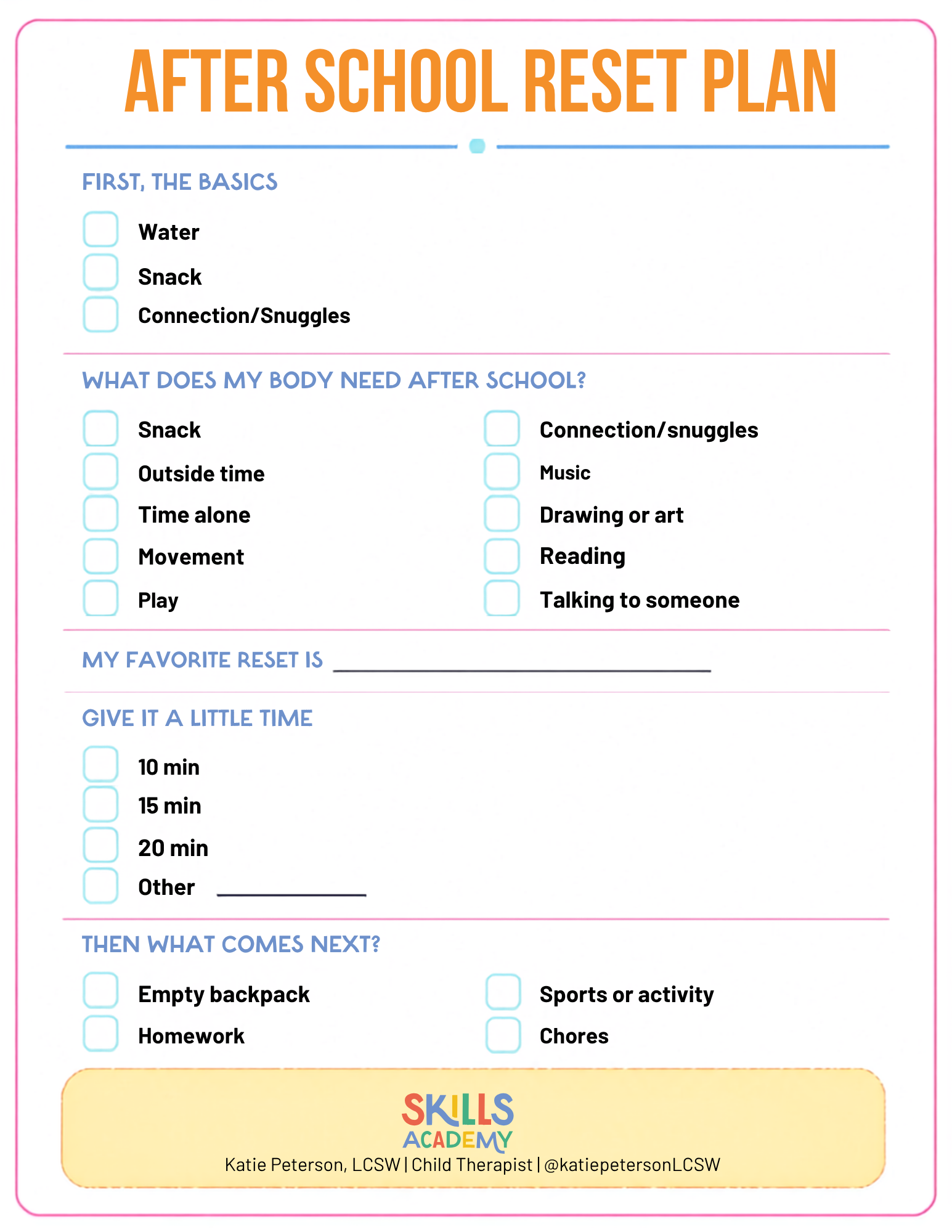
Why Your Child Falls Apart After School—and What to Do About It
Does your child fall apart after school? Learn why kids come home emotional, exhausted, or dysregulated and how to create an after-school reset routine that helps.
If your child comes home emotional, irritable, wild, clingy, or exhausted after school, you’re not alone.
Kids spend hours managing expectations, transitions, learning, friendships, noise, and emotions at school.
When they get home to a safe, familiar environment, some of that built-up stress can finally come out.
Don’t make the first 20 minutes after school another list of demands.
Start with basic needs: food, water, movement, quiet, connection, and less talking.
Create a predictable after-school reset routine before homework, chores, or lots of questions.
Your child isn’t necessarily giving everyone else their “best” and saving their “worst” for you. Home may simply be where they feel safe enough to release what they’ve been holding together.
Test Anxiety in Kids: What to Say Before a Big Test (Mid-Terms Edition)
A CHILD THERAPIST'S EXACT SCRIPTS FOR TEST ANXIETY IN KIDS — WHAT TO SAY THE NIGHT BEFORE, THE MORNING OF, AND AFTER A BIG TEST.
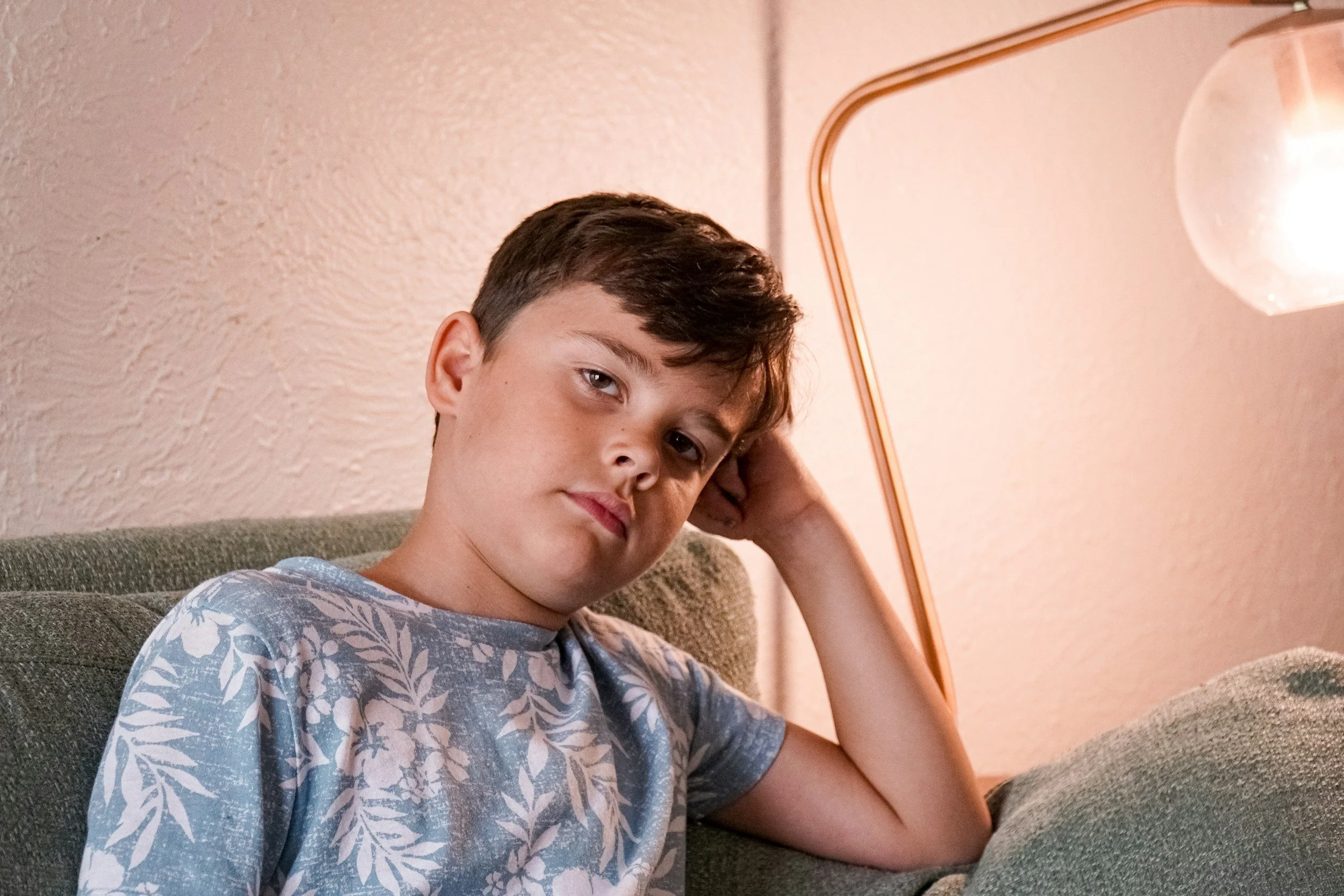
How to Help a Child Handle Disappointment: When Back-to-School Doesn’t Go the Way They Hoped
Parenting tips for child disappointment during back-to-school: help kids cope when they don’t get the teacher, class, friends, or team they wanted.
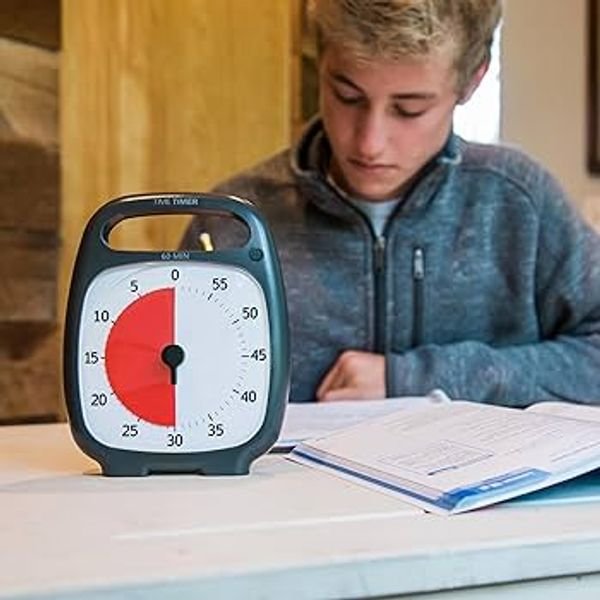

20 Back-to-School Questions to Help Kids Feel Connected, Confident & Ready
Help your child prepare emotionally for school with 20 back-to-school questions designed to build connection, ease anxiety, and encourage communication.

20 Questions to Ask Your Kids Instead of “How Was Your Day?”
Tired of getting “fine” when you ask how school was? Try these 20 questions to ask kids instead of “How was your day?” and build better connection.