


Sibling Rivalry Scripts: What to SayWhen Your Kids Won't Stop Fighting
A child therapist’s exact scripts for the most common sibling fights-what to say instead of “just share” or “stop it”, and why each one works.

Why 3:15pm Is the Hardest Part of Your Day (And What Your Kid Actually Needs)
The real reason kids melt down right after school instead of during it, the 15-minute decompression window that helps, and why the meltdown means you're doing something right.
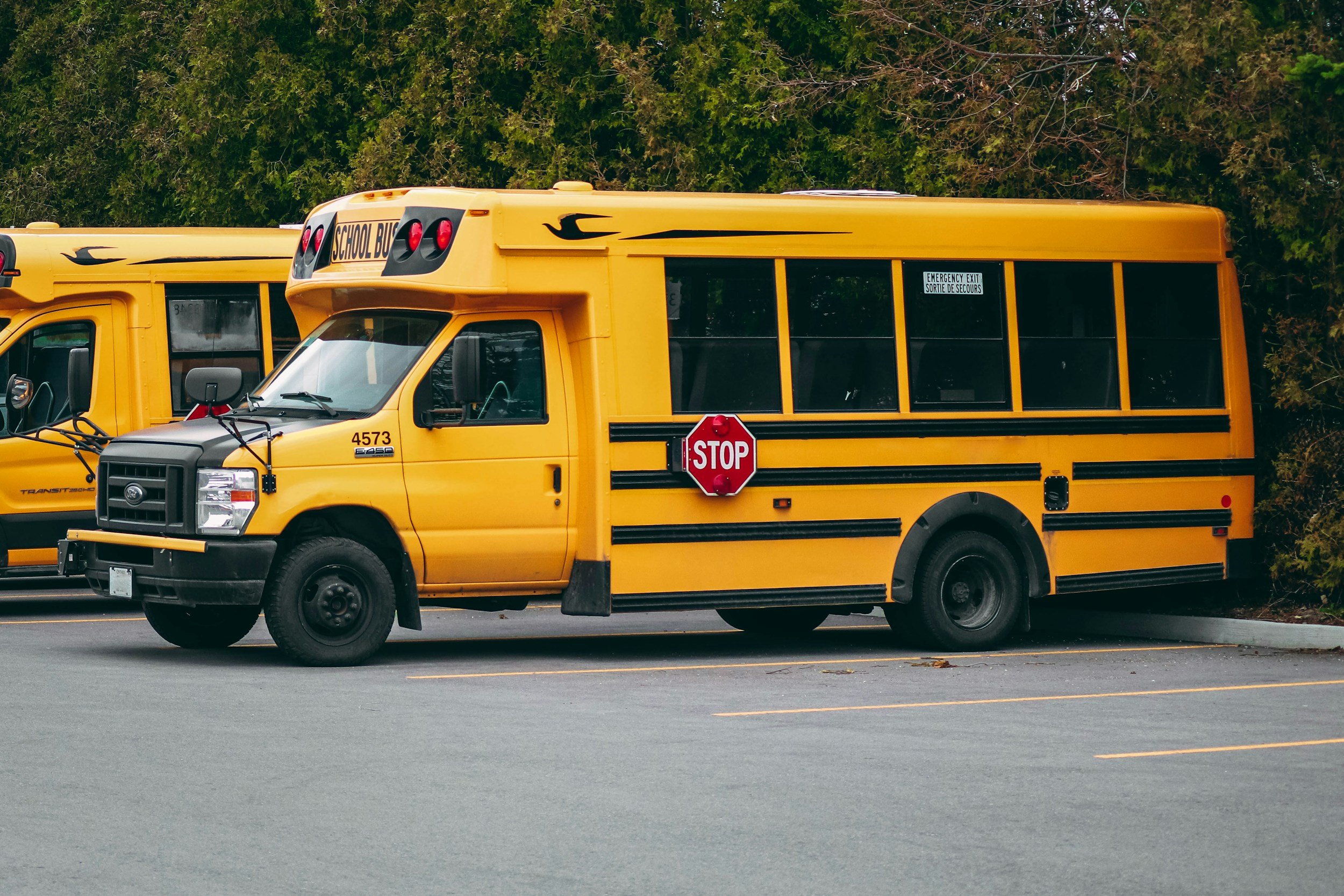
The Real Reason Drop-Off Ends in Tears (and the Script That Actually Helps)
Why lingering at drop-off makes separation anxiety worse, what's really happening during "new schedule" transitions, and the exact five-step goodbye script that ends tears faster.
30 Days, 30 Scripts: Everything We Covered This Month
A round-up of this month's meltdown, back-to-school, boundary, and after-school scripts — bookmark this one page for all four.

"Because I Said So" Doesn't Work. Here's What Does.
Why power struggles escalate faster with "because I said so," what your kid's "defiance" is actually testing for, and the boundary script that holds firm without a fight.
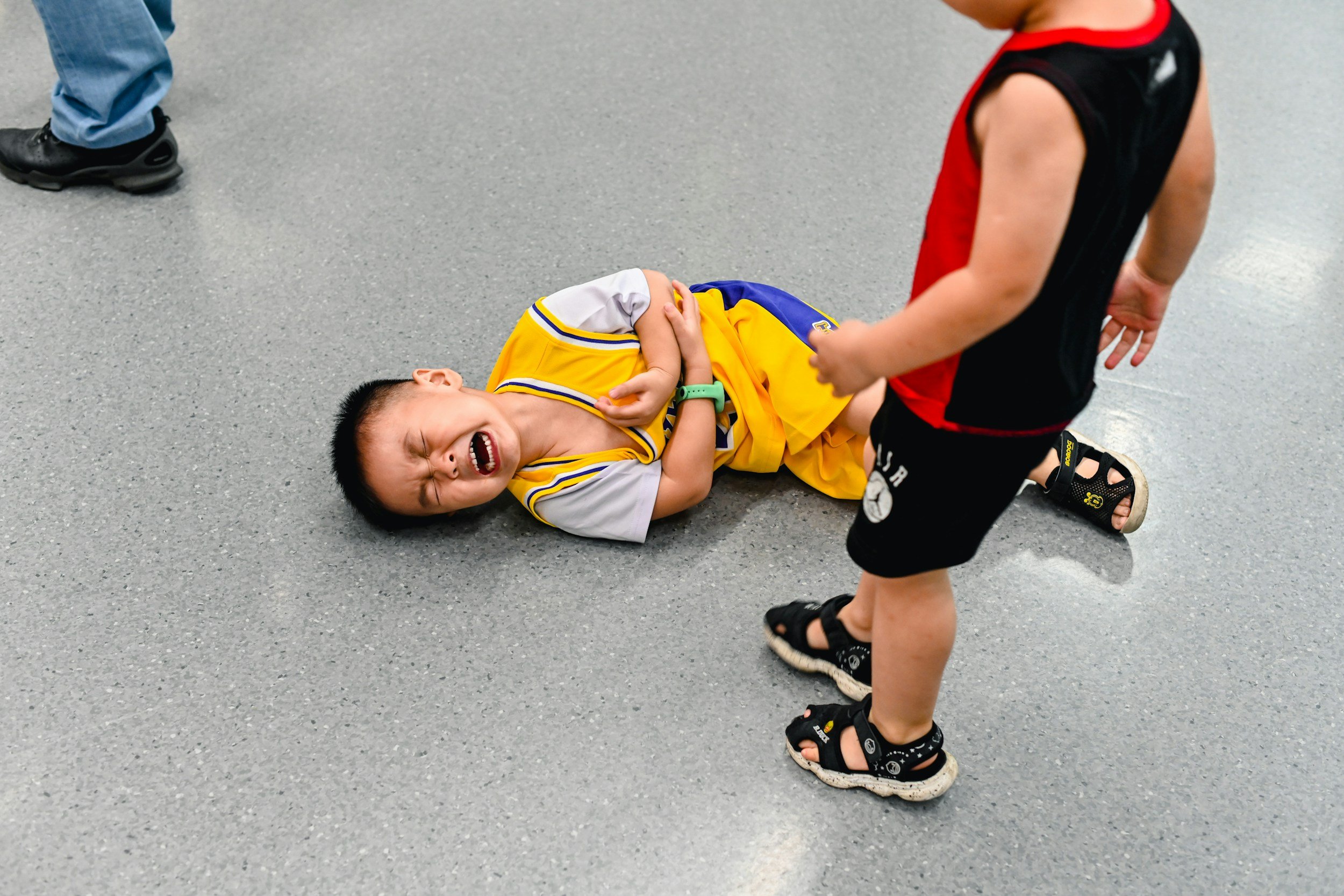
Why Your Kid's Meltdowns Have Nothing to Do With You (And What to Say Instead)
A child therapist breaks down what's actually happening in your kid's brain during a meltdown — and the three-sentence script that works better than "calm down."
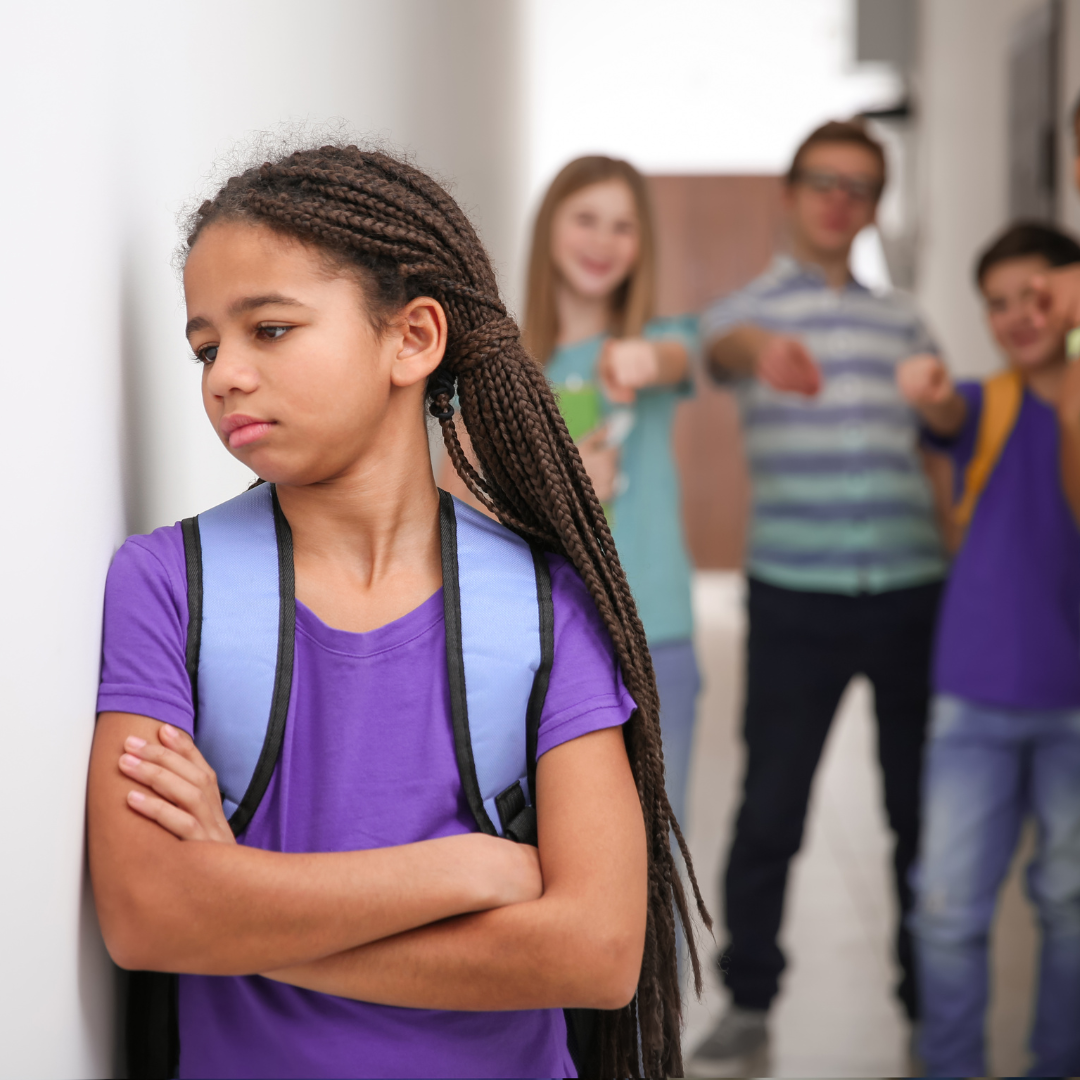
What to Say When Your Child Says: “I Have No Friends”
What should you say when your child says “I have no friends”? Learn how to respond to friendship struggles, exclusion, and loneliness with practical tips and scripts from a child therapist.
Hearing “I have no friends” can be heartbreaking—and it’s easy to immediately jump into problem-solving mode.
Before reassuring, emailing the teacher, or trying to arrange a playdate, get curious about what your child actually means.
Sometimes “I have no friends” means “I felt left out today,” “My friend played with someone else,” or “I didn’t know who to play with at recess.”
Validate the feeling first, then help your child identify what happened and what they can do next.
The goal isn’t to manage your child’s friendships for them. It’s to give them the skills and confidence to navigate relationships.
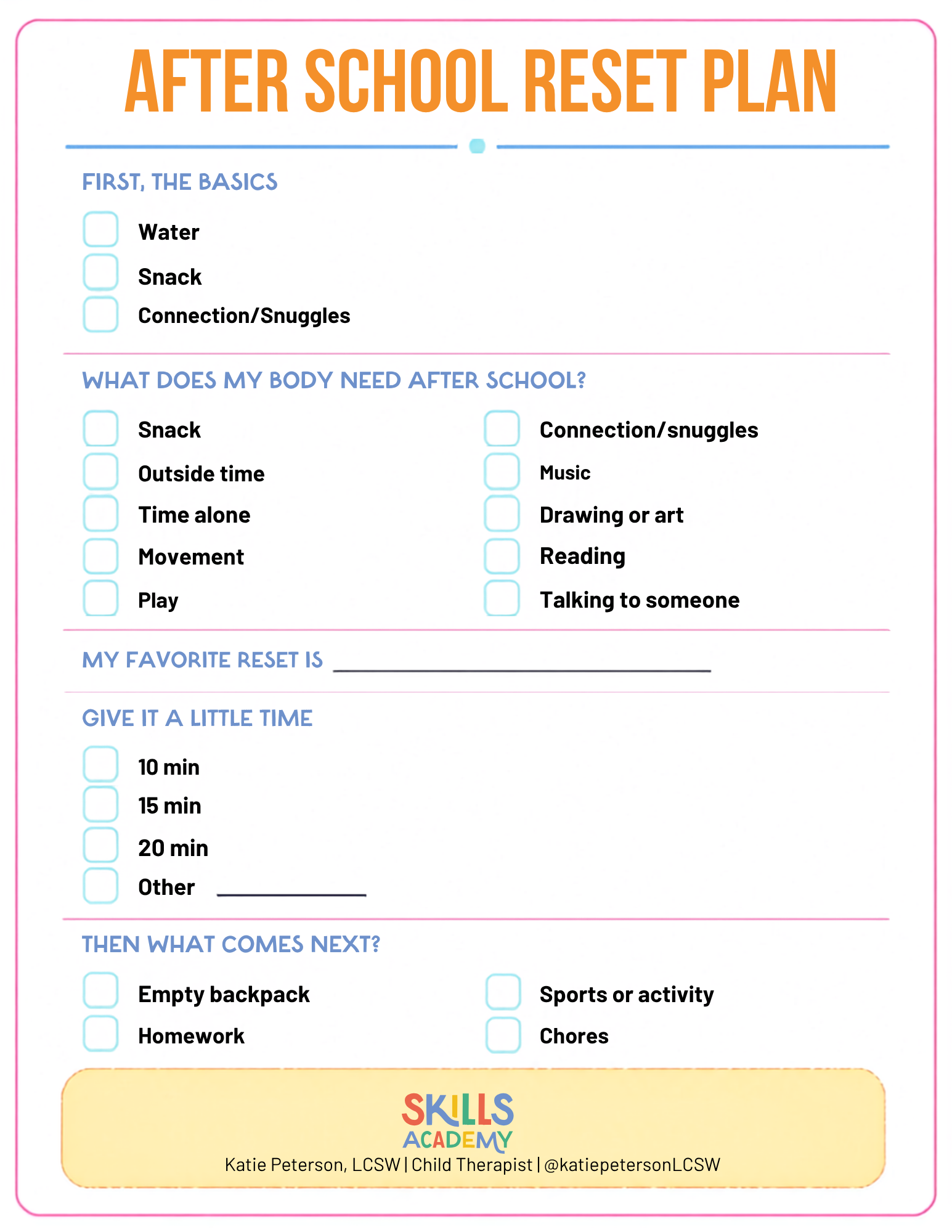
Why Your Child Falls Apart After School—and What to Do About It
Does your child fall apart after school? Learn why kids come home emotional, exhausted, or dysregulated and how to create an after-school reset routine that helps.
If your child comes home emotional, irritable, wild, clingy, or exhausted after school, you’re not alone.
Kids spend hours managing expectations, transitions, learning, friendships, noise, and emotions at school.
When they get home to a safe, familiar environment, some of that built-up stress can finally come out.
Don’t make the first 20 minutes after school another list of demands.
Start with basic needs: food, water, movement, quiet, connection, and less talking.
Create a predictable after-school reset routine before homework, chores, or lots of questions.
Your child isn’t necessarily giving everyone else their “best” and saving their “worst” for you. Home may simply be where they feel safe enough to release what they’ve been holding together.

Test Anxiety in Kids: What to Say Before a Big Test (Mid-Terms Edition)
A CHILD THERAPIST'S EXACT SCRIPTS FOR TEST ANXIETY IN KIDS — WHAT TO SAY THE NIGHT BEFORE, THE MORNING OF, AND AFTER A BIG TEST.
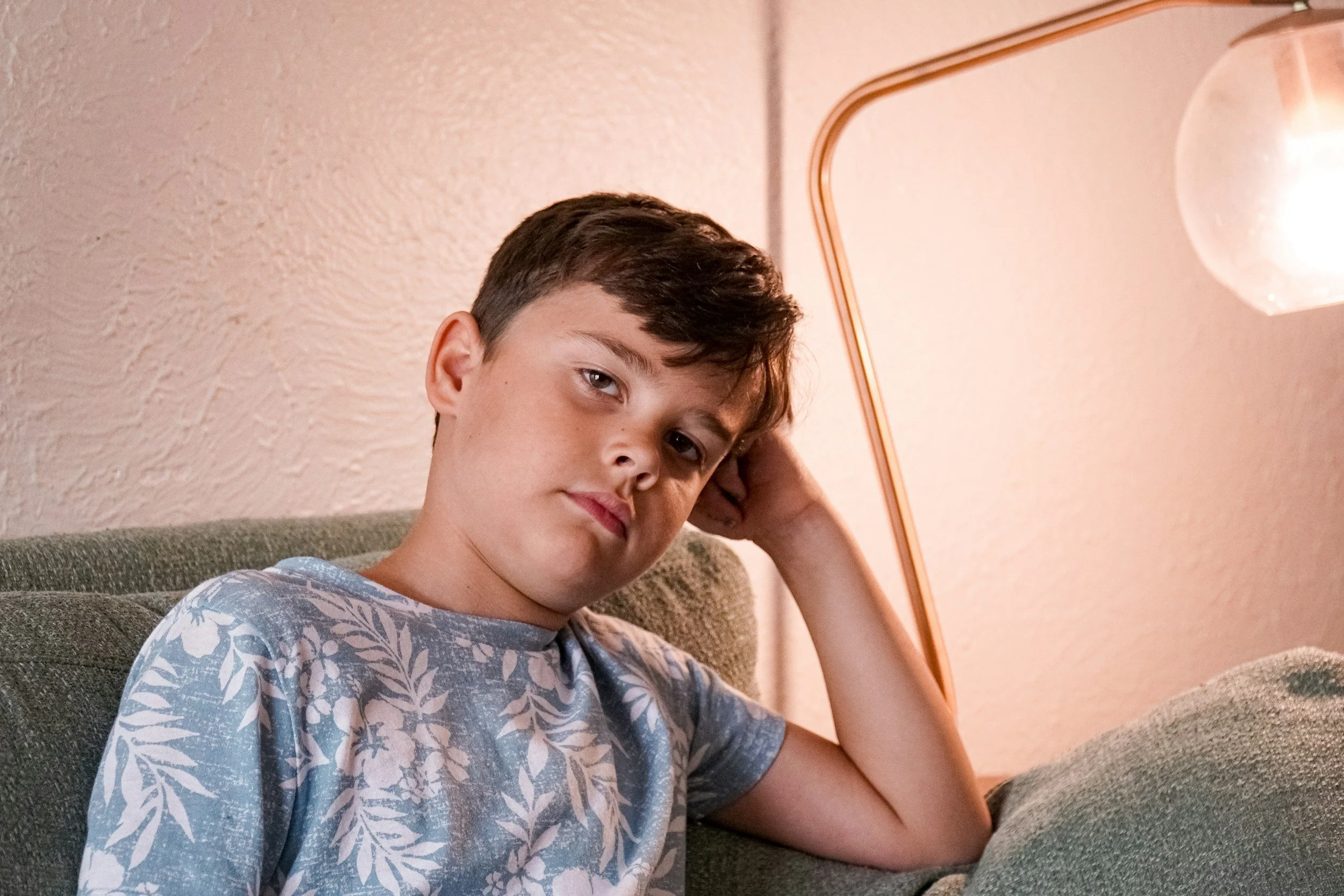
How to Help a Child Handle Disappointment: When Back-to-School Doesn’t Go the Way They Hoped
Parenting tips for child disappointment during back-to-school: help kids cope when they don’t get the teacher, class, friends, or team they wanted.
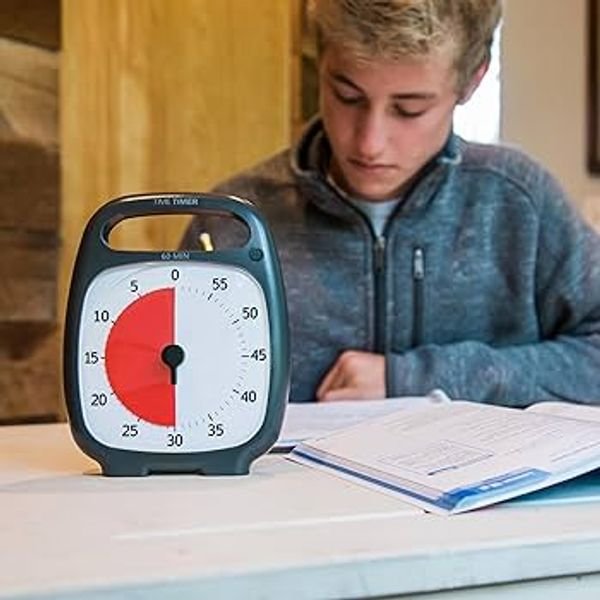

20 Back-to-School Questions to Help Kids Feel Connected, Confident & Ready
Help your child prepare emotionally for school with 20 back-to-school questions designed to build connection, ease anxiety, and encourage communication.

20 Questions to Ask Your Kids Instead of “How Was Your Day?”
Tired of getting “fine” when you ask how school was? Try these 20 questions to ask kids instead of “How was your day?” and build better connection.
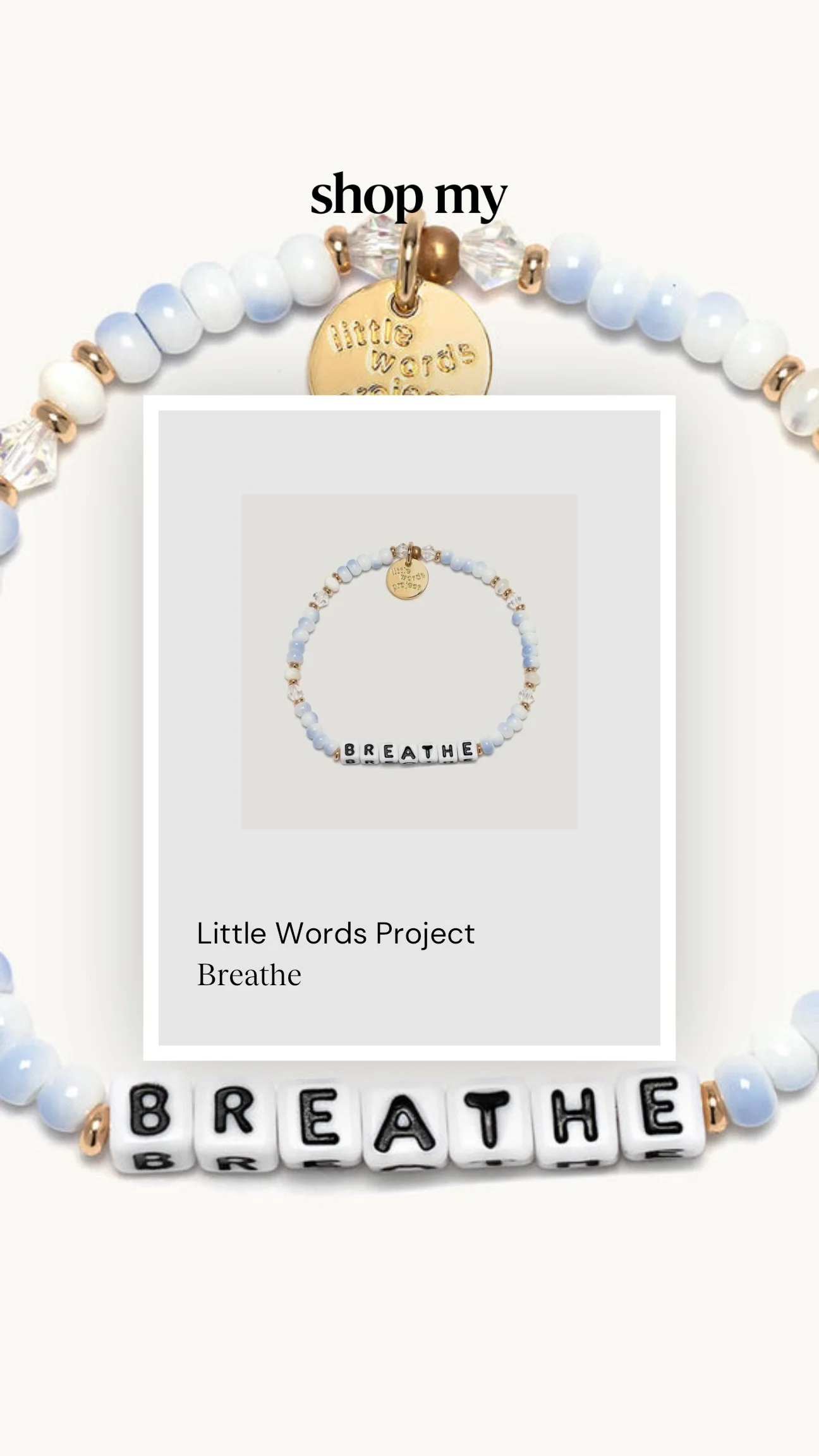
How to Help Your Child With Separation Anxiety at School Drop-Off
How to Help Your Child With Separation Anxiety at School Drop-Off
School drop-off can be hard for kids with separation anxiety. Learn simple strategies including goodbye routines, transitional objects, parent scripts, and ways to make separation easier.
How to Emotionally Prepare Your Child for Back to School
We’re forgetting one BIG thing when we prepare kids to go back to school.
We buy the supplies.
We meet the teacher.
We practice the morning routine.
But are we preparing them for how going back to school might feel?
Your child can be excited AND nervous.
Ready to go back AND sad summer is ending.
Confident AND still have butterflies on the first day.
Instead of saying, “There’s nothing to worry about,” try:
“It makes sense to feel nervous. Starting a new school year is a big change—and we’ll figure it out together.”
Our job isn’t to get rid of the butterflies.
It’s to teach kids they can handle them.


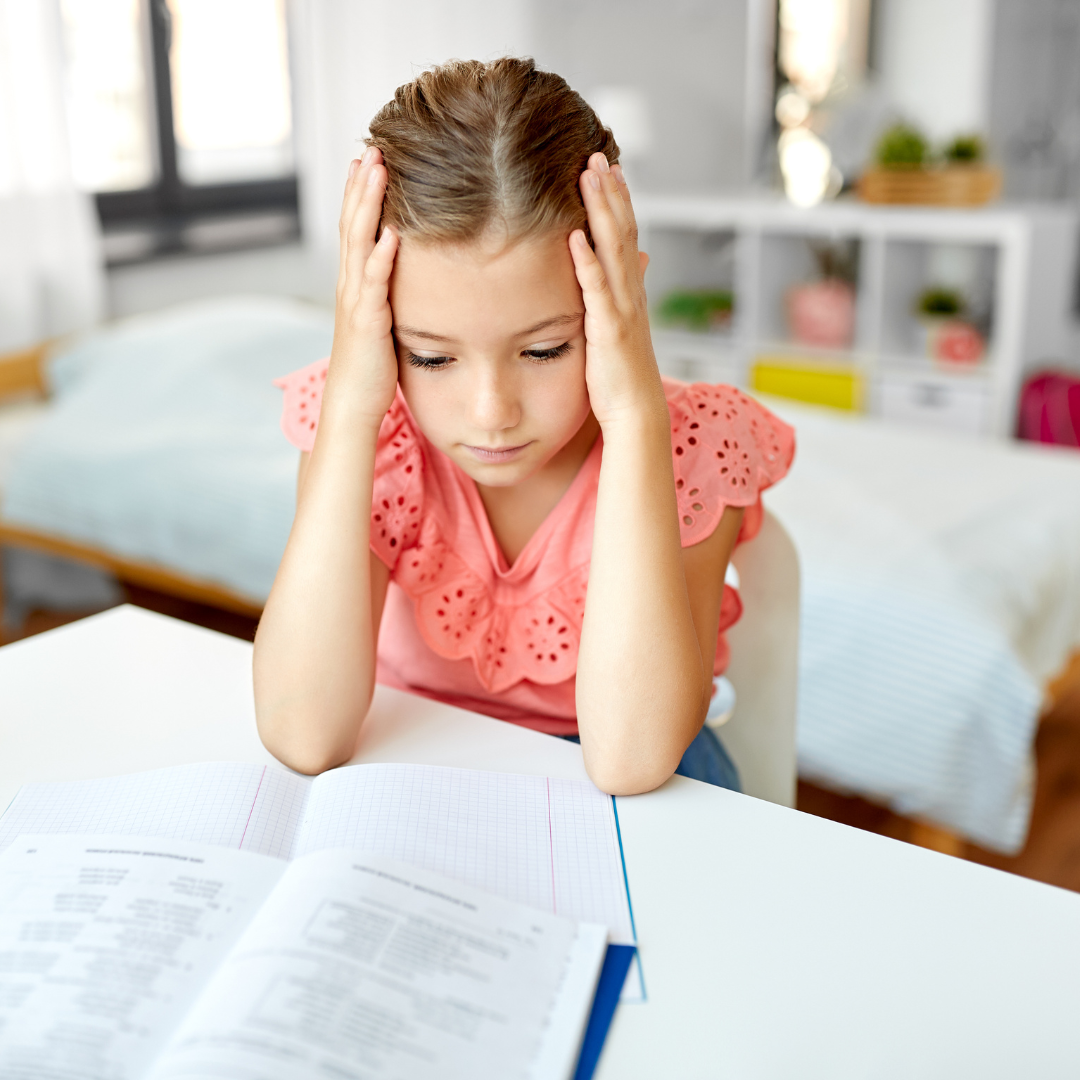

Helping Your Child Manage Big Worries with a “Worry Wand”
Struggling with your child’s anxiety or big emotions? A worry wand is a quick, effective tool to help kids calm their worries. This easy DIY activity uses a pipe cleaner and beads to teach mindful breathing, transforming anxiety into calm. Learn how to create one and support your child through their big emotions. Watch the step-by-step video and discover more resources to help your child manage anxiety and build emotional resilience.

Getting Ready for School: Creating a Successful Routine for Your Child
As the school year approaches, establishing a consistent daily routine can make a world of difference for your child. Our latest blog post offers expert tips on creating a structured schedule that fosters confidence, reduces anxiety, and promotes positive behaviors. Discover practical strategies and free resources to help your child transition smoothly and thrive throughout the academic year.