How to Help Your Child With Separation Anxiety at School Drop-Off
How to Help Your Child With Separation Anxiety at School Drop-Off
School drop-off can be hard for kids with separation anxiety. Learn simple strategies including goodbye routines, transitional objects, parent scripts, and ways to make separation easier.
How to Emotionally Prepare Your Child for Back to School
We’re forgetting one BIG thing when we prepare kids to go back to school.
We buy the supplies.
We meet the teacher.
We practice the morning routine.
But are we preparing them for how going back to school might feel?
Your child can be excited AND nervous.
Ready to go back AND sad summer is ending.
Confident AND still have butterflies on the first day.
Instead of saying, “There’s nothing to worry about,” try:
“It makes sense to feel nervous. Starting a new school year is a big change—and we’ll figure it out together.”
Our job isn’t to get rid of the butterflies.
It’s to teach kids they can handle them.

How to Prepare Your Child for Back-to-School: Start with These 3 Nights
How to prepare your child for back-to-school. Start practicing your school routine 3 days before school begins.
Shift bedtime and wake-up time gradually.
Rehearse the full morning routine—even if you’re not going anywhere.
Build independence with small responsibilities.
End each day with a conversation about feelings, not just logistics.

Why Kids Behave Worse Before School Starts (And What to Do About It)
Wondering why your child is acting out before school starts? A child therapist explains why behavior changes happen and how parents can respond with confidence.
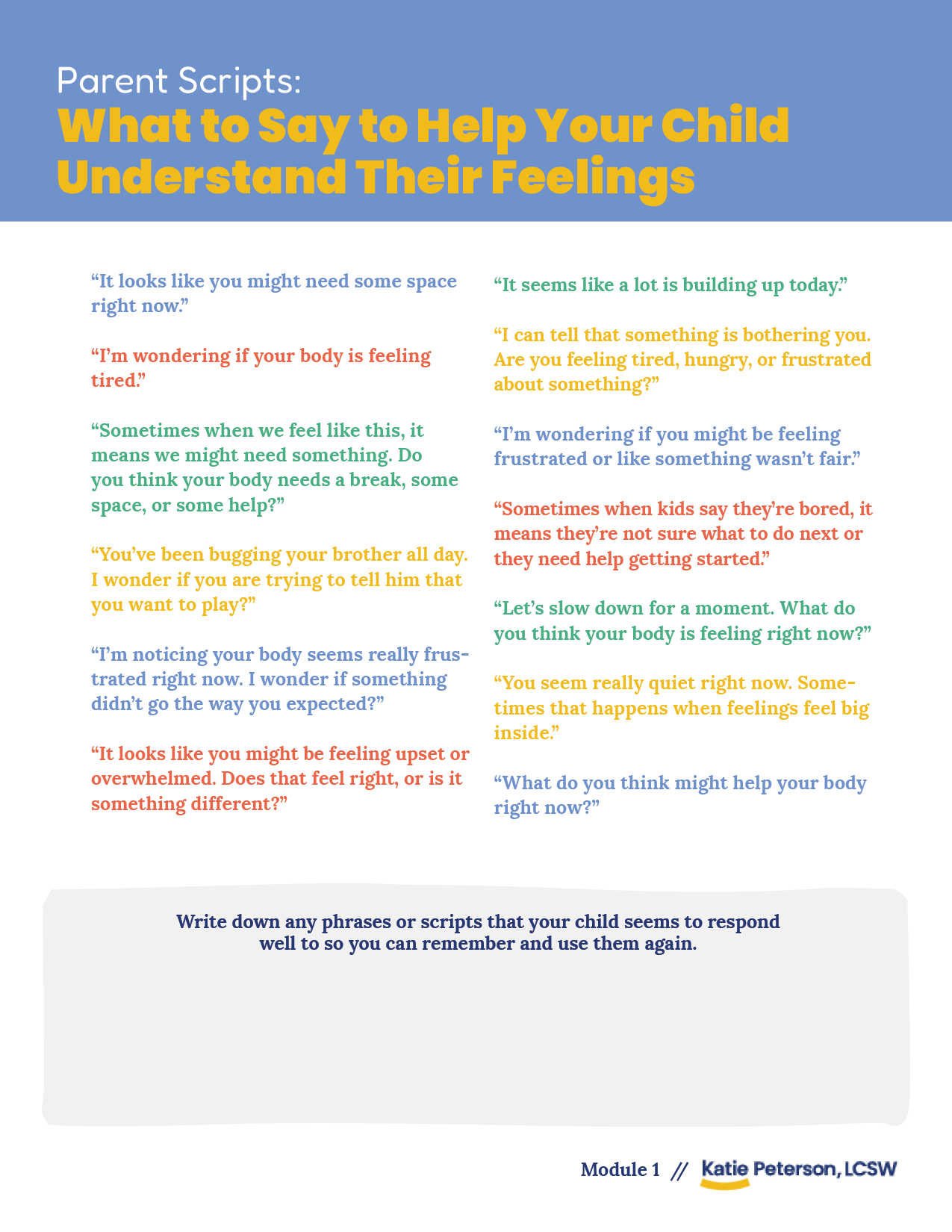
“But What Do I Actually Say?” Why Parenting Scripts Are the Secret Tool Parents Need
Discover why parenting scripts help parents respond with confidence during meltdowns, sibling conflict, and challenging behaviors—and how they can transform your summer.
What to Do After You’ve Lost Your Cool: Why Repair Matters More Than Perfection
Learn how to repair after yelling, reconnect with your child, and build stronger relationships. Discover why repair—not perfection—is the key to healthy parenting.
How to Prevent Meltdowns Before They Happen: The Signs Most Parents Miss
Discover how to teach problem-solving skills at home, reduce sibling fighting, and help kids learn communication and conflict-resolution skills that last a lifetime.
How to Teach Kids Problem-Solving Skills at Home (So You Can Stop Playing Referee)
Discover how to teach problem-solving skills at home, reduce sibling fighting, and help kids learn communication and conflict-resolution skills that last a lifetime.

Summer Routine Ideas for Kids: Why You Don’t Need a Schedule (You Need a Rhythm)
Looking for summer routine ideas for kids? Learn why children thrive with predictable rhythms and discover practical ways to create structure without over-scheduling your summer.

Why Your Child’s Behavior Gets Worse During Summer (And What They’re Really Trying to Tell You)
Wondering why your child’s behavior gets worse during summer break? Learn the hidden reasons behind whining, meltdowns, and sibling conflict—and what parents can do instead.
Why Summer Feels So Hard for Parents (And What You Can Do About It)
Wondering why your kids fight more during summer? Learn the real reasons summer feels hard and discover practical strategies to reduce conflict and create a calmer home.
The Confidence-Building Summer Activity Every Parent Should Try
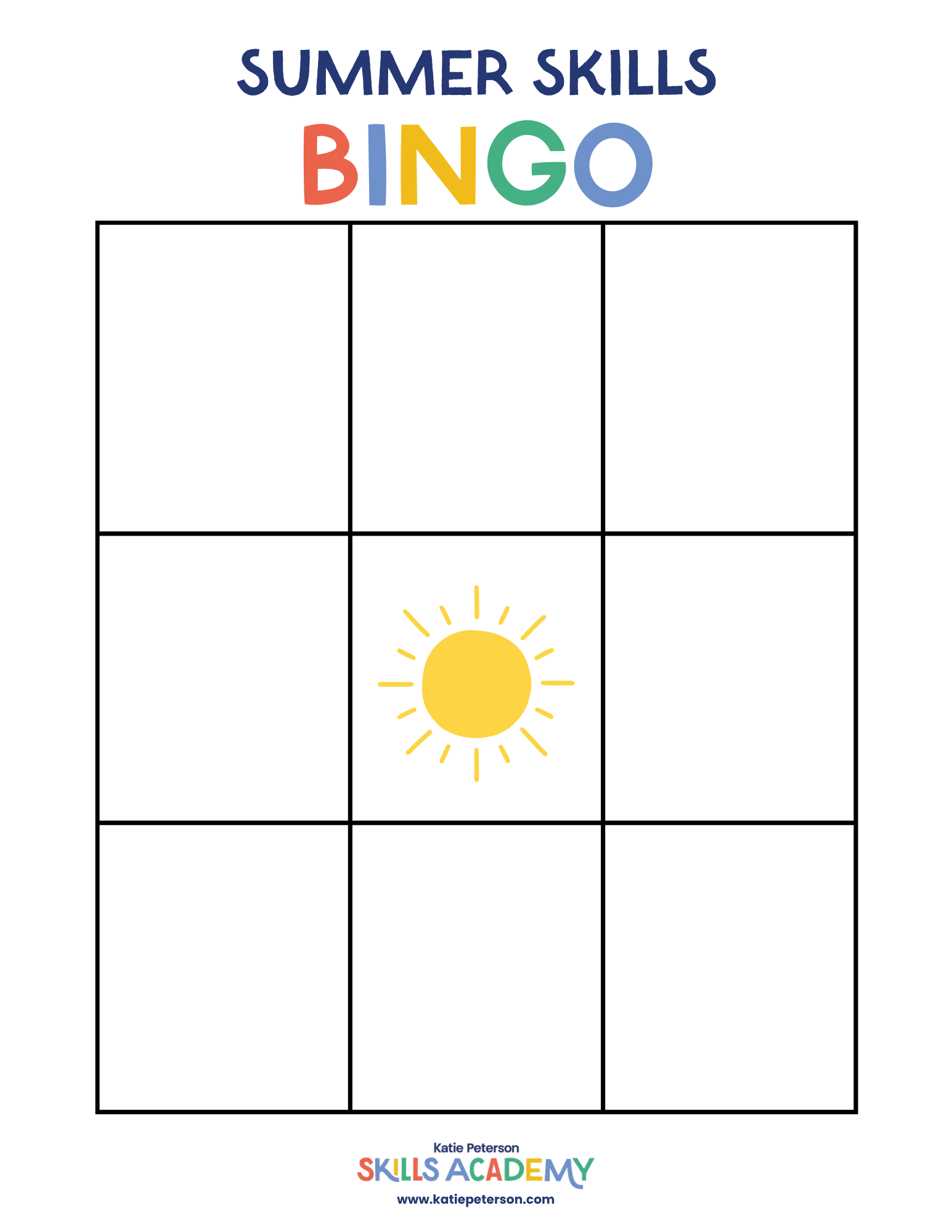
As a child therapist, one of the biggest misconceptions I see is that confidence comes from praise. While encouragement is important, true confidence is built through experience. Children become confident when they have opportunities to try something new, make mistakes, practice, improve, and eventually succeed.
In other words, confidence grows from competence.
Think about the last time your child learned a new skill. Maybe they finally mastered riding a bike, learned to tie their shoes, or made their own breakfast for the first time. Chances are you could see the pride on their face. They weren’t confident because someone told them they were amazing. They were confident because they had proof that they could do something hard.